
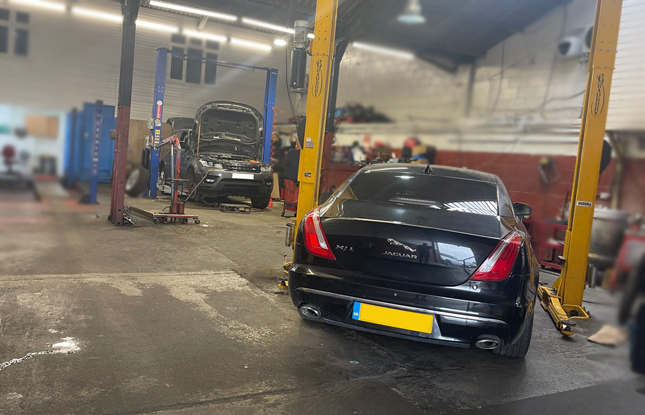
JLR Engine Problems and Replacement Costs in the UK
JLR Engine Problems and Replacement Costs in the UK
Jaguar Land Rover vehicles are known for their comfort, performance, off-road capability and premium design. However, like any vehicle, a JLR model can develop engine problems as it ages, accumulates mileage or experiences irregular servicing. When a major engine fault occurs, owners need to understand the available repair options, likely costs and the benefits of choosing a suitable replacement engine.
At Reconditioned Engine Specialists, we help UK motorists explore engine replacement and reconditioned engine options. Whether you drive a Jaguar XE, Range Rover Evoque, Land Rover Discovery, Defender or Range Rover Sport, identifying the exact engine and diagnosing the fault are essential first steps.
What Does JLR Mean?
JLR stands for Jaguar Land Rover, the automotive business associated with Jaguar and Land Rover vehicles, including the Range Rover family. These vehicles use a range of petrol and diesel engines, from smaller turbocharged four-cylinder units to larger six-cylinder and V8 powertrains.
The correct replacement engine depends on the vehicle model, production year, fuel type, engine code, power output and transmission configuration. Two vehicles carrying the same model badge may require different engines, so compatibility should always be checked using the vehicle identification number (VIN) and original engine details.
Common JLR Engine Problems
Ingenium Engine Timing Chain Problems
Some Jaguar and Land Rover models equipped with Ingenium engines can experience timing chain wear, tensioner problems or related timing faults. A rattling noise during a cold start, unusual engine noise or a timing-related warning can indicate a problem that requires investigation.
A damaged timing chain can affect valve timing and, in severe cases, cause extensive internal engine damage. If you notice persistent rattling, arrange a professional inspection rather than continuing to drive and risking further damage.
Oil Dilution and Lubrication Issues
Certain diesel engines can experience oil dilution when repeated or interrupted diesel particulate filter (DPF) regeneration allows fuel to enter the engine oil. Contaminated oil may not provide the protection required by moving engine components, increasing the risk of premature wear.
Regular servicing, using the manufacturer-specified oil and investigating repeated oil-level increases or service warnings can help protect the engine. If the oil pressure warning appears, stop the engine as soon as it is safe to do so and seek professional assistance.
Turbocharger Failure and Loss of Power
Turbocharged JLR engines depend on correct lubrication, effective cooling and suitable operating conditions. Turbocharger problems can cause reduced acceleration, unusual whining noises, excessive exhaust smoke or warning lights.
These symptoms do not automatically mean that the engine needs replacing. A specialist should check the turbocharger, intake system, oil supply, boost pressure and engine management system before recommending major work.
Overheating and Coolant Loss
Cooling system faults can cause an engine to overheat, particularly if a coolant leak, water pump problem, thermostat fault or radiator issue goes unnoticed. Continued overheating can damage the cylinder head, head gasket and other internal components.
If the temperature rises above its normal range or a coolant warning appears, stop safely and allow the vehicle to cool. Never remove the coolant cap while the system is hot. A professional inspection can establish whether a cooling system repair, engine rebuild or replacement is required.
Crankshaft, Bearing and Internal Engine Damage
Internal engine damage can develop following oil starvation, severe overheating or prolonged mechanical wear. Symptoms may include knocking noises, low oil pressure, metal particles in the oil, misfiring or sudden engine failure.
The extent of damage determines whether repairing the existing engine is financially sensible. A complete inspection can help establish whether an engine rebuild or a compatible replacement unit is the better option.
Which JLR Models May Need Engine Replacement?
Jaguar and Land Rover vehicles use different engine families depending on their generation and specification. Common examples include the Jaguar XE and XF, Jaguar F-Pace and E-Pace, Land Rover Discovery Sport, Discovery, Defender, Range Rover Evoque, Range Rover Velar and Range Rover Sport.
The Range Rover and Range Rover Sport have been offered with several engine configurations, including four-cylinder, six-cylinder and V8 options. The Defender and Discovery ranges also vary by model year and powertrain. Therefore, replacement decisions should be based on the exact engine specification rather than the model name alone.
JLR Engine Replacement Costs in the UK
JLR engine replacement costs vary considerably according to the engine type, vehicle model, availability of a suitable replacement, labour requirements and the extent of related damage. As a broad budgeting guide, a reconditioned engine supply-and-fit job may cost around £3,000 to £10,000 or more in the UK. Larger, specialist or performance engines can exceed this range.
These figures are indicative estimates rather than a fixed quotation. The final cost should be confirmed after checking the vehicle and engine specification. Published UK specialist estimates also show substantial variation between four-cylinder engines and larger supercharged petrol engines. Source: UK Jaguar engine replacement cost guide.
| Engine category | Indicative UK supply-and-fit budget |
|---|---|
| 2.0-litre Ingenium petrol or diesel | £3,000–£5,500 |
| Larger six-cylinder engine | £4,500–£8,000+ |
| Supercharged V6 or V8 engine | £5,500–£10,000+ |
These ranges are for initial budgeting only. They are not guaranteed prices and do not apply to every model or engine code. Ancillary parts, turbochargers, injectors, cooling components, fluids, diagnostic work and additional repairs can affect the total.
For an accurate quotation, provide the registration number or VIN, vehicle model, year, engine size and a description of the fault. A specialist can then establish compatibility and confirm the work required.
Reconditioned JLR Engines vs Used Engines
A used engine is normally sourced from another vehicle and may have limited information available about its previous maintenance or operating conditions. Its upfront price can be attractive, but its remaining service life depends on its history and condition.
A reconditioned engine undergoes a defined inspection and refurbishment process. The exact work varies by supplier and engine, so ask which components are inspected, which parts are replaced, what testing is performed and what warranty is included. Reconditioning should not be assumed to mean every component is new.
When comparing quotations, check whether the price includes engine supply, removal of the old engine, fitting, fluids, diagnostic checks, related parts and warranty coverage. Comparing the complete job rather than the engine purchase price alone gives a clearer picture of value.
Should You Rebuild or Replace Your JLR Engine?
The right decision depends on the condition of the original engine and the cost of restoring it. A rebuild may be appropriate where the engine block and other major components remain suitable for repair. A replacement may be more practical if the original engine has suffered extensive internal damage or the required machining and parts make rebuilding uneconomical.
A proper diagnosis should come before either decision. Fault codes, oil pressure tests, compression or leak-down tests, cooling system checks and internal inspection may help identify the cause and extent of the failure. The tests required depend on the symptoms and engine design.
It is also important to investigate the original cause of failure. Installing another engine without addressing a blocked oil supply, cooling system fault or other underlying issue could lead to repeat problems.
How to Choose the Correct Replacement JLR Engine
Engine compatibility is essential when replacing a Jaguar or Land Rover engine. Confirm the engine code, production year, power output, fuel type and relevant emissions specification. Check any differences in the turbocharger, sensors, engine management system, ancillaries and transmission connections.
The VIN and original engine number can help identify the correct specification. A qualified supplier should verify compatibility before the replacement engine is ordered or fitted.
JLR Engine Supply and Fitting Across the UK
If your Jaguar, Land Rover, Defender or Range Rover has suffered serious engine damage, Reconditioned Engine Specialists can help you explore suitable engine replacement options. Choosing a specialist who understands engine compatibility, installation requirements and diagnostic procedures can make the process more straightforward.
Before authorising the work, request a clear quotation covering the engine, fitting, any additional parts and the warranty terms. Confirm what is covered, how long the warranty lasts and whether labour is included in the event of a covered fault.
Need a JLR engine replacement? Contact Reconditioned Engine Specialists with your vehicle details to discuss a suitable reconditioned engine and supply-and-fit options. The correct solution starts with an accurate diagnosis and a compatible engine.
Frequently Asked Questions
How much does a JLR engine replacement cost in the UK?
The cost depends on the model, engine code, replacement engine condition and labour involved. A reconditioned engine supply-and-fit job may be around £3,000 to £10,000 or more, but an exact quotation requires vehicle-specific details.
Which JLR engines can experience timing chain problems?
Timing chain concerns have been reported on certain Ingenium and other JLR engine families. The likelihood and repair requirements depend on the particular engine version, its maintenance history and its condition. A specialist diagnosis is recommended if the engine rattles or develops timing-related fault codes.
Is a reconditioned JLR engine better than a used engine?
A reconditioned engine may offer greater reassurance if the refurbishment work, testing and warranty are clearly documented. A used engine may have a lower initial price, but its condition and service history should be assessed carefully.
Can I replace my JLR engine with a different engine size?
A different engine may require changes to the electronics, transmission, mounts, cooling system and emissions equipment. Compatibility, legality and insurance implications must be checked before considering an engine conversion. A like-for-like compatible engine is generally the more straightforward replacement.
How do I know if my JLR engine needs replacing?
Severe knocking, persistent oil pressure warnings, major internal damage, repeated overheating or a seized engine can indicate serious failure. However, similar symptoms may arise from faults that can be repaired. Professional diagnostics are needed before deciding on a replacement.
Does a replacement JLR engine come with a warranty?
Warranty terms depend on the supplier and the engine supplied. Always obtain the warranty conditions in writing and check its duration, exclusions, parts coverage and labour coverage before agreeing to the installation.
What details are needed to find the correct JLR engine?
Provide the registration number or VIN, model, production year, fuel type and engine size. The original engine code is also helpful. These details allow the supplier to verify compatibility before arranging a replacement.
Final Thoughts
Engine trouble does not automatically mean that your Jaguar or Land Rover has reached the end of its useful life. Depending on the fault, an engine repair, rebuild or compatible reconditioned replacement may be a practical option. An accurate diagnosis, clear quotation and documented warranty help you make an informed decision.
For JLR engine replacement, reconditioned engine supply and professional fitting in the UK, contact Reconditioned Engine Specialists to discuss your vehicle and the options available.